Traffic Calming
Traffic Calming
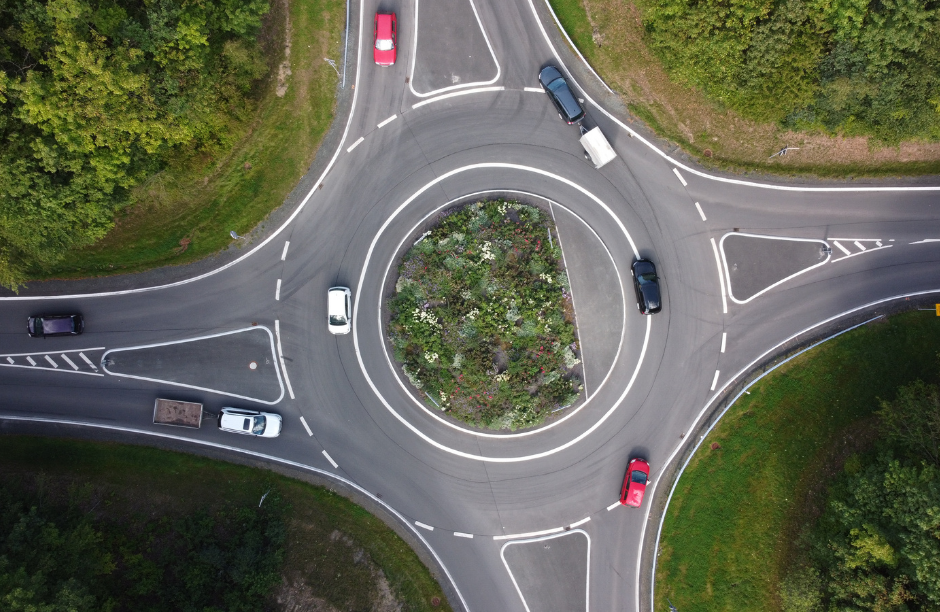
Traffic calming refers to a range of measures designed to reduce vehicle speeds, enhance road safety, and improve the overall environment for pedestrians, cyclists, and residents. These measures create safer and more livable neighborhoods by discouraging excessive speeding and reducing traffic-related accidents.
The presence of traffic calming measures can encourage more people to walk or bike in an area. Key components of traffic calming include dividers and medians, roundabouts, low-mobility streets, on-street parking, and intersection density. Dividers and medians separate lanes of traffic to control turning movements and prevent head-on collisions. Roundabouts manage traffic flow and reduce speeds at intersections, decreasing both the likelihood and severity of collisions while providing safer crossing opportunities for pedestrians and cyclists. On-street parking narrows the roadway, slowing down traffic and acting as a buffer between moving vehicles and pedestrians on the sidewalk. Low-mobility streets are designed for low-speed traffic and often include features that discourage cut-through traffic while prioritizing pedestrians and cyclists. Intersection density refers to the number of intersections within a specific area; a higher density promotes walkability by providing more crossing opportunities and shorter block lengths, and it can reduce vehicle speeds by increasing the frequency of stop or yield conditions.
By implementing these measures, communities can encourage more people to participate in active transportation, as they feel safer with these enhancements in place. Safety concerns are a major consideration for active transportation, and traffic calming measures play a crucial role in addressing these concerns.
Traffic Calming 2
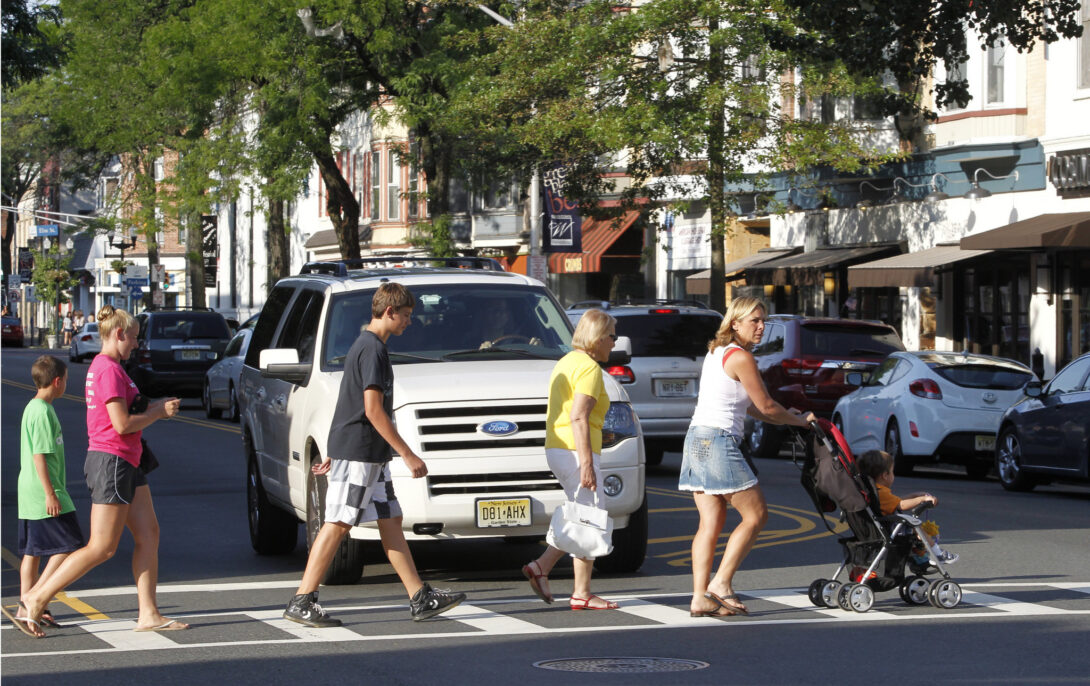
Low-mobility streets are designed for low-speed traffic and often include features that discourage cut-through traffic while prioritizing pedestrians and cyclists. Intersection density refers to the number of intersections within a specific area; a higher density promotes walkability by providing more crossing opportunities and shorter block lengths, and it can reduce vehicle speeds by increasing the frequency of stop or yield conditions.
By implementing these measures, communities can encourage more people to participate in active transportation, as they feel safer with these enhancements in place. Safety concerns are a major consideration for active transportation, and traffic calming measures play a crucial role in addressing these concerns.