Design For Walking
Walking 1
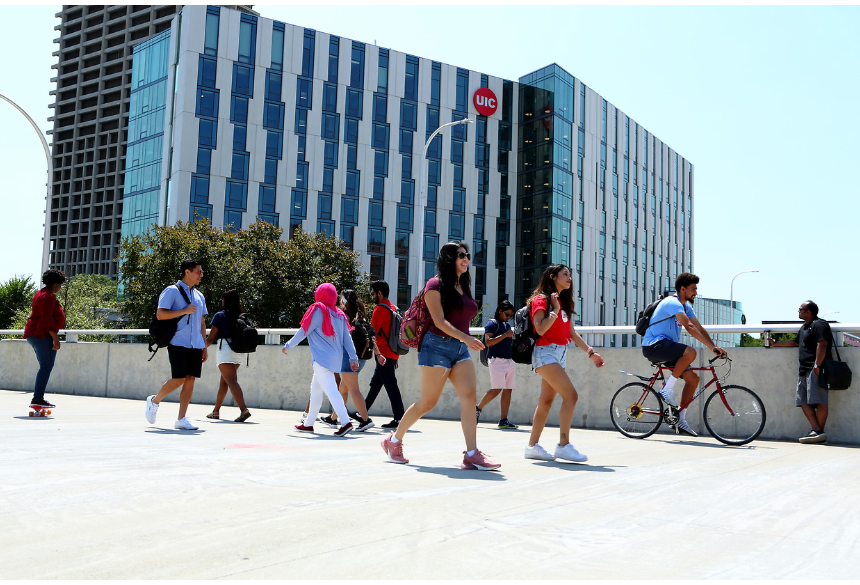
Active transportation, such as walking, is vital for tackling climate change and reducing our dependence on cars. Its environmental benefits are clear, but the advantages extend far beyond that. Engaging in active transportation not only helps the planet but also offers substantial health and economic gains. Research highlights that insufficient physical activity contributes to 12% of mental health costs and 31% of chronic disease costs. To mitigate these issues and improve health outcomes, it’s recommended to engage in at least 22 minutes of physical activity daily—something easily achieved through walking.
Active commuting—walking to work or school—can significantly improve health. It lowers the risk of obesity, cardiovascular disease, and all-cause mortality. However, despite these benefits, data from the National Health Interview Survey show that only 28% of people use walking as a mode of transportation, and a mere 2.8% walk to work.
Transportation is a major contributor to greenhouse gas emissions, accounting for over a quarter of all emissions. By opting to walk instead of drive for trips under two miles—comprising 35% of all trips—we can make a substantial impact on reducing these emissions.
Walking 2

Transportation is a major contributor to greenhouse gas emissions, accounting for over a quarter of all emissions. By opting to walk instead of drive for trips under two miles—comprising 35% of all trips—we can make a substantial impact on reducing these emissions.
Several programs and initiatives are working to make walking safer and more accessible. For instance, America Walks focuses on improving pedestrian infrastructure and promoting safe walking conditions, while the Safe Routes to School program aims to create safe walking paths for children, thereby reducing traffic congestion and boosting both health and school attendance. These initiatives have proven effective in encouraging more walking to schools.
Creating walkable communities is essential for enhancing public health. By ensuring safe and convenient walking routes to essential services and daily tasks, we can encourage more people to integrate walking into their daily routines, thus fostering a healthier lifestyle and a cleaner environment.