Design For Biking
Design for Biking
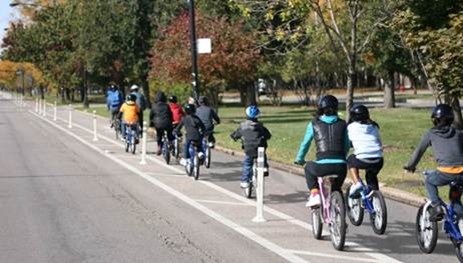
Designing streets for biking means creating safer, comfortable, and connected spaces where people of all ages and abilities can ride with confidence. Biking as a mode of travel is a fast and efficient way to travel longer distances than walking. It is a sustainable choice for commuting, running errands, or as a recreational activity. Yet there are still many people that choose to drive their cars rather than bike to their destination. This is largely due to the lack of proper biking facilities. In fact, while 60% of the population is interested in biking, safety concerns keep them from doing so. As a result, short trips that could easily be made by bike are instead taken by car. In Chicago, 22% of car trips are under 1 mile, 39% under 2 miles, and 51% are under 3 miles. By building safer biking infrastructure, we can encourage more people to ride their bikes instead of driving. Dedicated bike lanes give cyclists their own space on the road, reducing interactions with vehicles and lowering the risk of collisions. They also make cyclists more visible to drivers, creating a safer and more predictable street environment for everyone.
Biking facilities are also often paired with traffic calming measures to improve safety. This includes installing curb extensions, traffic circles, raised crosswalks, and speed humps to reduce vehicle speeds. However, there are also other traffic calming measures used to manage vehicle volumes. Some common methods include designating routes for local traffic only, converting streets into one-way pairs, and alternating street directions. These methods reduce vehicle volumes to preserve local access by lowering volumes on bike-priority streets. By lowering vehicle volumes, it also reduces the number of times cyclists are passed, making the bikeways safer and more comfortable.
Design for Biking

In addition, biking is a zero-emission mode of transportation so by building safer biking facilities we are encouraging bicycling which lowers the reliance on cars, leading to lower environmental emissions and cleaner air. This benefits everyone, especially those with asthma or other respiratory conditions. Biking also improves public health by providing regular exercise that strengthens the heart, reduces the risk of chronic disease, and supports mental well-being by lowering stress and depression. It can be a social activity that builds a sense of community and reduces feelings of isolation. Safer, well-designed bike routes further enhance mental wellbeing by reducing the anxiety of riding near traffic, allowing more people to ride with confidence and peace of mind.
A key goal of design for biking is to create a connected network that serves all neighborhoods, prioritizing local trips and offering low-stress routes for riders of all abilities. By having a well-organized bike network, it allows access to local businesses, schools, jobs, parks, and nearby communities. Bike-friendly communities often see an increase in tourist activities and local spending as visitors are more likely to explore shops, restaurants, and attractions by bike. Biking is also far more affordable than driving, helping people save on fuel, parking, and vehicle maintenance. A connected biking network can help create vibrant, thriving communities where biking is a normal and convenient way to get around.