Safety
Safety
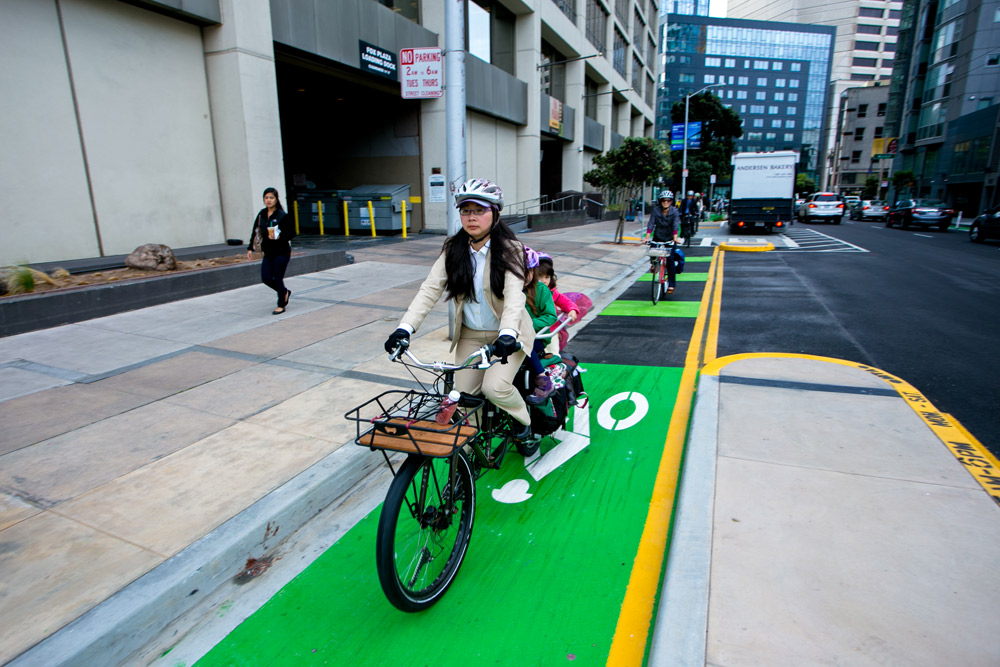
Pedestrians and cyclists face significantly higher risks of injury or fatality in collisions with cars.The likelihood of a pedestrian being injured or killed is 36.9 times greater than that of a motorist,while cyclists face a 14.9 times greater risk. Many crashes involving pedestrians and cyclists are also underreported.
Several factors contribute to the high crash rates among pedestrians and cyclists. Higher traffic volumes and inadequate infrastructure, such as the absence of bicycle lanes, are closely associated with increased crash rates. Built environmental factors, such as road design, the presence of sidewalks, and pedestrian lighting, also play a role. Major intersections are common sites for crashes, with visual impairments often contributing to higher accident rates. Poorly maintained infrastructure, including narrow or obstructed bike lanes and cracked or uneven roadways, further exacerbates unsafe biking conditions.
Safety 2

Improving safety for cyclists can be achieved through the addition of bike lanes and infrastructure that physically separates cars from bikes. Enhanced lighting and better signage at crossings can increase visibility and awareness of cyclists. Reducing curbside parking near crossings improves sightlines and reduces hazards. Without parked cars, roads may appear narrower, which can prompt drivers to reduce their speed. Continuous bike lanes also help ensure cyclist safety by increasing visibility and reducing the likelihood of collisions.
Safety 3
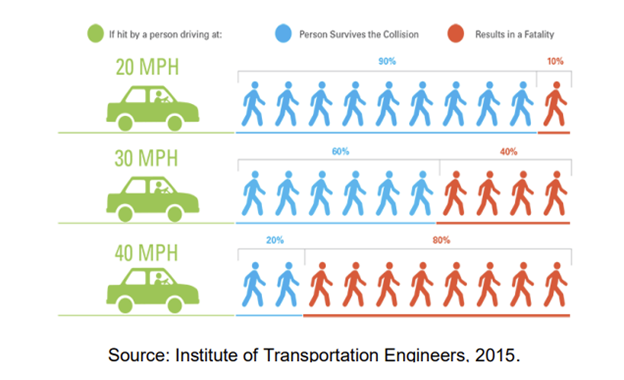
The “safety in numbers” phenomenon explains that the individual risk of being involved in a crash decreases as the number of pedestrians and cyclists increases. More road users of these types make drivers more aware and cautious, leading to safer driving behavior. Additionally, a higher presence of non-motorized users can naturally calm traffic, reducing vehicle speeds and creating a safer environment. This phenomenon helps to explain why countries with higher rates of bicycling often experience lower rates of bicycling injuries.