Eyes On the Street
Eyes On the Street
This is an idea by Jane Jacobs in her book, The Death and Life of Great American Cities, which explains how having livelier and well-maintained streets creates a sense of safety and reduces crime. When parks and streets are well designed, they generate more foot traffic which increases the number of “eyes on the street”. With more people present, crime becomes less likely because criminals are more likely to be seen due to pedestrians acting as a natural form of surveillance.
Eyes On the Street
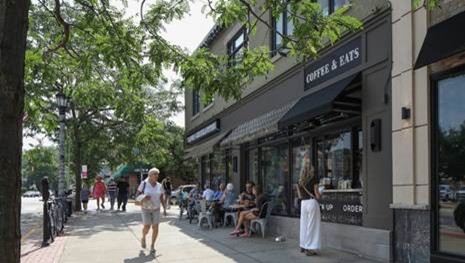
Design plays a key role in encouraging natural surveillance. Buildings with windows and entrances facing public spaces, outdoor seating at restaurants, front porches, and mixed-use storefronts all help put more “eyes on the street”. Having public spaces that are lively and inviting encourages people to gather and interact. On the other hand, areas with blank walls, parking lots, or isolated walkways create “dead zones” where people are less likely to spend time. These places often feel unsafe because fewer people spend time here, meaning fewer witnesses if something happens.
Eyes On the Street
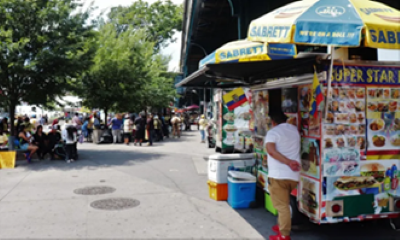
Street vendors also play an important role in creating “eyes on the street”. By setting up stands along sidewalks and plazas, they attract steady foot traffic throughout the day. This presence not only adds liveliness but also adds more natural surveillance that can discourage crime. Vendors also interact with residents and passersby, which helps foster a sense of community and helps people feel safer.