Accessibility
Accessibility
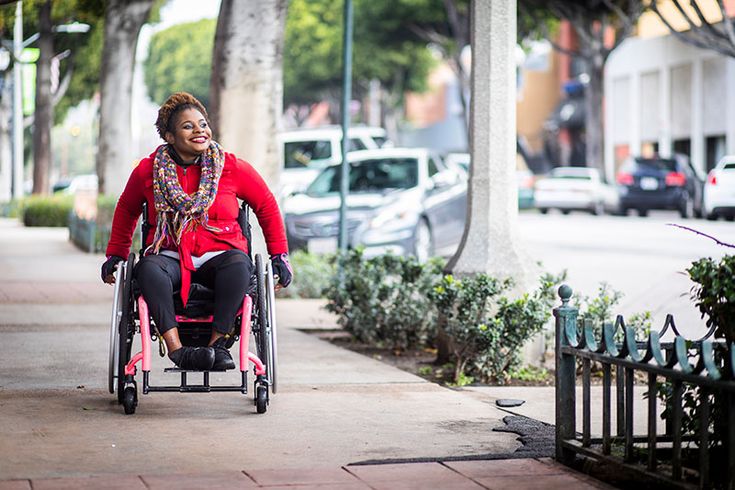
Accessibility in active transportation is essential for ensuring that all individuals, including those with disabilities, can benefit from walking and biking. While proximity to services and transit enhances the potential for active transportation, accessibility challenges can still hinder these options for many people.
Walkability plays a significant role in making transportation accessible. It refers to how well an area supports walking, encompassing factors like the quality of pedestrian infrastructure and the overall environment. Areas with high walkability scores typically have features such as well-maintained sidewalks, safe crosswalks, and convenient access to amenities, which make walking easier and more appealing. However, for these features to be truly effective, they must be accessible to everyone, including individuals with disabilities.
Accessibility 2
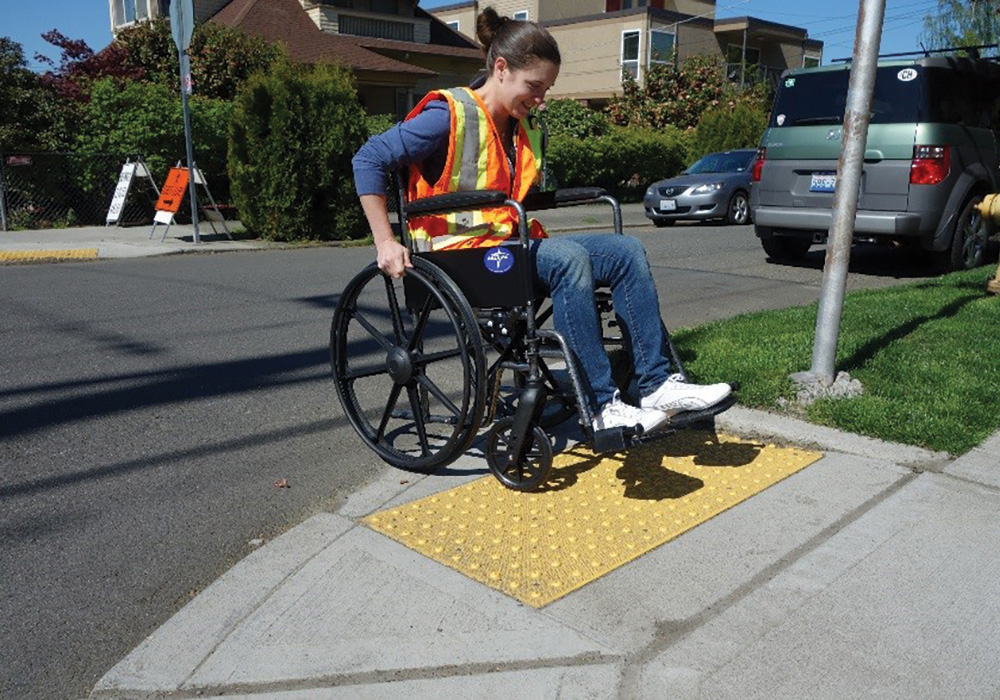
Key aspects of accessible walkability include infrastructure that accommodates various mobility needs. This includes curb cuts and ramps to facilitate wheelchair and walker use, as well as tactile paving for those with visual impairments. Safe and well-maintained sidewalks are essential, and crosswalks should have audible signals to alert those with visual impairments. These features help create an environment where all individuals can navigate safely and independently.
Transit accessibility is also intertwined with walkability. Accessible transit options—such as low-floor buses, elevators at stations, and clear, multi-format signage—are crucial for integrating public transportation with walking routes. When transit facilities are designed with accessibility in mind, they enhance the overall walkability of the area and ensure that people with disabilities can use these services effectively.
Inclusive design is another critical component. Pedestrian infrastructure should be designed to meet the needs of individuals with varying levels of mobility. This includes wide, unobstructed sidewalks, well-marked pedestrian crossings, and accessible public amenities. Such features contribute to an overall increase in walkability and make active transportation more feasible for everyone.
Environmental conditions can also affect accessibility. Extreme weather, such as very hot or cold temperatures, can make walking and biking challenging, particularly for individuals with disabilities. Providing sheltered waiting areas and climate-controlled transit options can help mitigate these environmental barriers.
In summary, enhancing accessibility in active transportation involves improving walkability and ensuring that infrastructure supports the needs of all users, including those with disabilities. By focusing on inclusive design, integrating accessible transit options, and considering environmental factors, we can create environments that support active transportation and promote greater independence and quality of life for everyone.