Micromobility
Introduction
Micro-mobility includes small, lightweight transportation options for short trips under 15.5 mph, such as e-scooters, e-bikes, bicycles, and skateboards. These eco-friendly and cost-effective modes often use IoT technology for GPS tracking, safety, and app-based ride, navigation, and payment services. They can be electric or human-powered, reducing emissions, easing congestion, and connecting public transit to final destinations. The sector offers economic benefits through job creation, investment, infrastructure development, and improved accessibility. Supporting infrastructure such as charging stations and bike lanes, enhances safety and efficiency, while increased foot traffic can boost local businesses.
Micro-Mobility
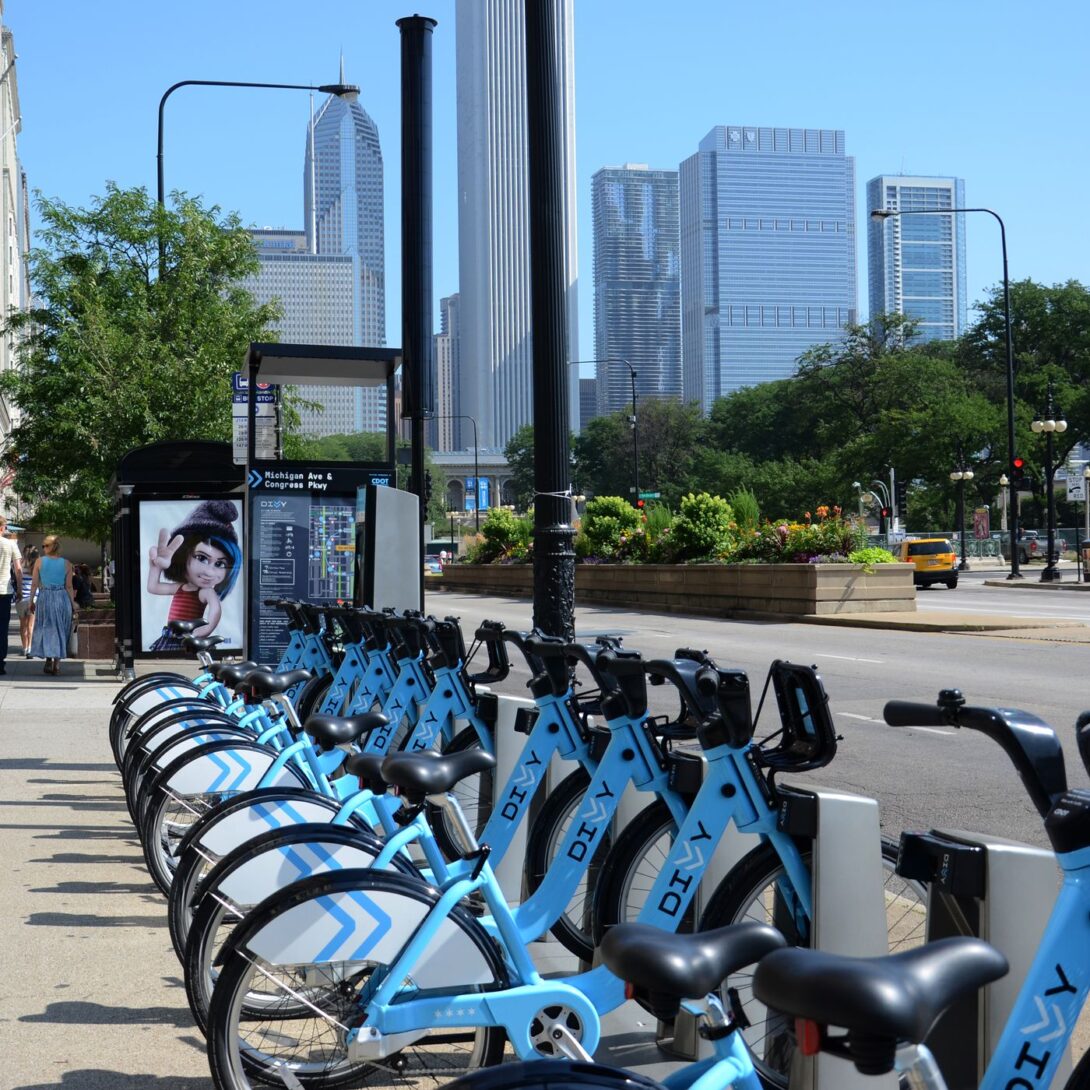
Micro-mobility refers to a range of small, lightweight transportation options designed for short-distance travel, typically operating at speeds below 15.5 mph. These solutions are environmentally friendly, cost-effective, and efficient for urban environments, including vehicles like electric scooters, electric bicycles, bicycles, and skateboards.
Micro-mobility helps reduce vehicle emissions by replacing short car trips with small, efficient modes of transport such as e-scooters and e-bikes, which produce far fewer greenhouse gases. These options also conserve energy, as they rely on electric or human power rather than gasoline, making them more sustainable. In addition, micro-mobility improves health by encouraging active travel, such as cycling, which increases physical activity, enhances fitness, and supports mental well-being. It also serves as an effective first- and last-mile transit solution, providing convenient connections between public transportation hubs and final destinations, thereby improving accessibility and overall transportation efficiency.
Micro-mobility 2

Micro-mobility options are either electric or human-powered, making them more sustainable and environmentally friendly compared to traditional gasoline-powered vehicles. They help reduce carbon emissions and alleviate traffic congestion in urban areas. These solutions are particularly effective for short trips and often provide connectivity between public transportation hubs and final destinations. They offer a convenient and flexible mode of transportation and improve accessibility for various demographic groups.
The micro-mobility sector presents significant economic opportunities, including job creation, investment, and infrastructure development. The sector has attractive growth potential for investors and benefits from research and development aimed at improving technology, safety, and performance. Investments in infrastructure, such as charging stations for electric scooters and bikes and dedicated bike lanes, support the efficient operation of these vehicles and enhance safety and accessibility for users. Additionally, the presence of micro-mobility services can stimulate the local economy by attracting businesses, increasing foot traffic, and boosting retail and service industries.