Environmental Impacts
Asthma
Reduced vehicle emissions help lower asthma rates because cars and trucks release nitrogen oxides (NOx) and fine particulate matter (PM2.5), which can irritate the lungs and trigger asthma symptoms. When these pollutants are inhaled, they can cause inflammation and respiratory distress, especially in vulnerable populations like children and older adults. Implementing complete streets, designed to encourage biking, walking, and public transit, reduces the number of vehicles on the road, leading to fewer emissions and cleaner air. Additionally, regular physical activity from biking and walking not only supports overall lung health but can also decrease the risk and severity of asthma over time.
Air quality impact
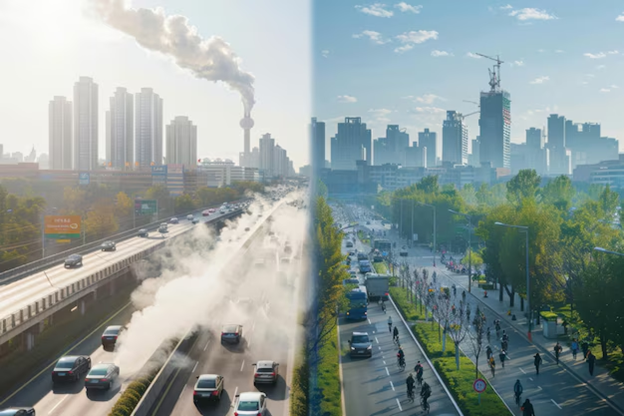
Replacing car trips with walking or biking can significantly reduce emissions of harmful pollutants. For example, a study found that substituting just one car trip per week with walking or biking can lower an individual’s carbon footprint by approximately 0.5 metric tons annually. If 10% of the population adopted such a change, it could reduce carbon dioxide emissions from car travel by 4%.
During the COVID-19 pandemic, we saw notable improvements in air quality due to decreased vehicular traffic and an increase in active transportation. This reduction in vehicle emissions has been linked to fewer cases of respiratory and cardiovascular diseases. Cleaner air, characterized by lower levels of pollutants like nitrogen dioxide (NO2) and particulate matter (PM), is associated with reduced incidences of asthma, bronchitis, and other chronic respiratory conditions.
The benefits of improved air quality extend beyond just respiratory and cardiovascular health. Reduced air pollution can lead to lower healthcare costs, as fewer hospital admissions and medical treatments related to these diseases are needed. Cleaner air is also linked to fewer days lost to illness, enhanced productivity, and better physical and mental well-being. Studies have shown that reduced exposure to air pollution is associated with lower rates of mental health issues such as depression and anxiety. Individuals experience less respiratory discomfort, improved energy levels, and better overall health, which positively impacts daily activities and personal satisfaction.
Moreover, lower levels of air pollution contribute to a reduction in premature mortality, potentially extending life expectancy. These improvements in air quality are particularly beneficial for vulnerable populations, including children, the elderly, and individuals with preexisting health conditions. These groups are more susceptible to the adverse effects of air pollution and, therefore, experience significant health benefits from cleaner air.