Pollutants
Asthma
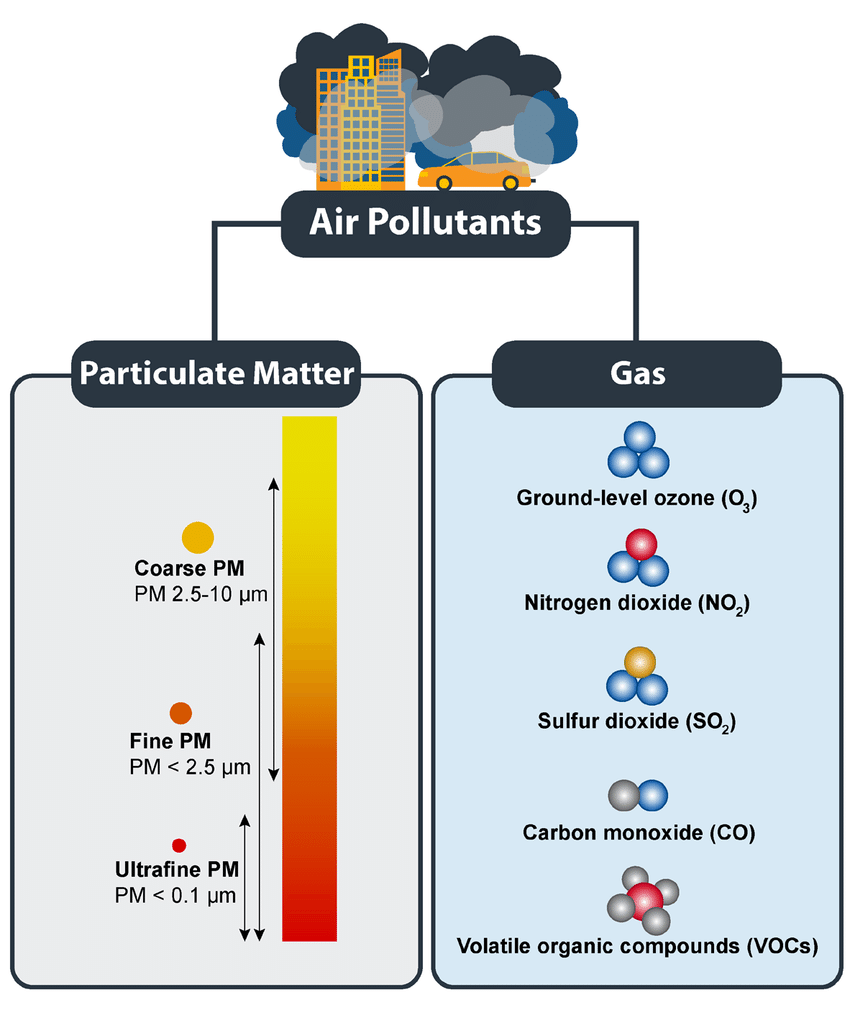
When we breathe in polluted air, harmful substances such as particulate matter (PM2.5), nitrogen oxides, sulfur dioxide, ozone, benzene, and polycyclic aromatic hydrocarbons (PAHs) enter the respiratory system. Tiny particles can travel deep into the lungs. Once inside, these pollutants can cause DNA mutations. This is where carcinogens chemically interact with DNA, creating errors in the genetic code of lung cells. They also produce free radicals. These pollutants trigger oxidative stress, releasing unstable molecules that damage DNA, proteins, and cell membranes.Lastly, they inflame tissues. Long-term exposure leads to chronic inflammation, which increases cell turnover. More cell replication means more chances for mutations to occur.
Normally, the body can repair DNA damage, but repeated or long-term exposure overwhelms these defenses. Damaged cells may begin to divide uncontrollably, forming tumors. Pollutants like diesel exhaust, tobacco smoke, and fine particulate matter are classified by the World Health Organization (WHO) and International Agency for Research on Cancer (IARC) as major causes of lung cancer. The prolonged exposure to polluted air significantly increases the risk of lung cancer even for people who have never smoked. Urban areas with heavy traffic, industrial emissions, or poor air quality tend to have higher rates of lung and respiratory diseases.