Greenhouse gases
Greenhouse gases
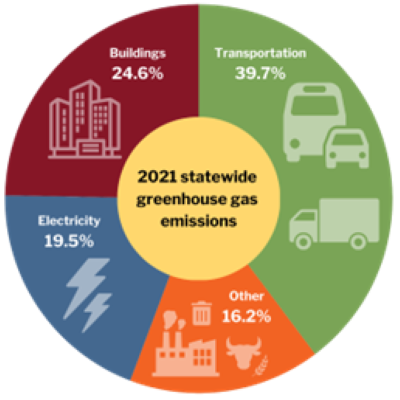
Greenhouse gases (GHGs) like carbon dioxide (CO₂), methane, and nitrous oxide trap heat in the Earth’s atmosphere, creating the greenhouse effect. Normally, heat escapes back into space, but with too many GHGs, extra heat is trapped, leading to global warming. CO₂, in particular, is released in large amounts from burning fossil fuels in cars, trucks, and power plants. At the same time, the ozone layer high in the atmosphere protects us from harmful UV radiation, but air pollution at ground level can create ozone as a pollutant, which harms human lungs, crops, and ecosystems. Together, excess CO₂, ground-level ozone, and global warming cause severe consequences such as rising sea levels, stronger storms, food insecurity, and health risks from heat and air pollution.
Active transportation such as walking and biking directly reduces the need for fossil fuel powered vehicles. With fewer cars on the road, less fuel is burned, which lowers CO₂ emissions and helps slow global warming. Reduced traffic also decreases pollutants that contribute to harmful ground-level ozone, leading to cleaner air and healthier lungs. By relying less on motor vehicles, communities also protect the atmosphere from pollutants that can indirectly affect the ozone layer. In addition to these environmental benefits, active transportation promotes healthier lifestyles, as people who walk or bike regularly improve their own well-being while contributing to cleaner, more sustainable, and resilient communities.