Economic Impacts
Economic Impact
Shifting from driving to active transportation modes like walking and cycling offers a range of substantial economic benefits. The primary advantage is a significant reduction in healthcare costs. Engaging in regular physical activity, which is facilitated by increased walking and cycling, effectively lowers the risk of chronic diseases such as cardiovascular conditions, diabetes, and certain types of cancer. By decreasing the causes of these health issues, we can expect a notable decrease in hospitalization and treatment costs. This reduction in healthcare expenditure is a direct result of fewer individuals requiring medical care for chronic illnesses.
Economic Impact 2
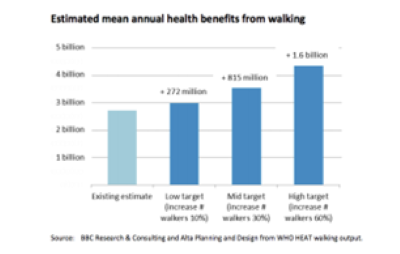
Additionally, the health benefits associated with active transportation extend beyond just reducing medical costs. Improved physical health leads to lower productivity losses. A healthier workforce means fewer days lost to illness and a reduction in the overall strain on productivity. With fewer chronic conditions to manage, employees can maintain better attendance and perform their tasks more effectively, which in turn enhances economic efficiency.
The economic advantages of active transportation also include the positive impact on local economies through infrastructure investments. Building and maintaining cycling paths and pedestrian walkways not only contribute to improved public health but also stimulate local economic activity. These projects create jobs during the construction phase and boost local businesses by increasing foot traffic and encouraging commerce in areas that are more accessible and pedestrian-friendly.
Economic Impact 3
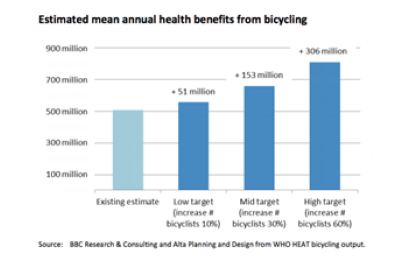
Moreover, a shift towards active transportation contributes to environmental sustainability, which has additional economic benefits. By reducing CO₂ and particulate matter emissions, people can experience lower healthcare costs related to air pollution. Cleaner air results in fewer respiratory issues and other pollution-related health problems, further decreasing healthcare expenses and improving overall public health.
Complete streets directly support these outcomes by making active transportation safe, convenient, and accessible for all users. Transportation is the second most costly item in most household budgets, often due to the expenses associated with car ownership, such as fuel, maintenance, insurance, and parking. Complete streets encourage cheaper modes like walking, biking, and public transit, helping households significantly reduce these costs.
They also boost the local economy by increasing foot traffic to neighborhood businesses, generating more jobs, attracting tourists, and raising property values. Well-designed, walkable, and bike-friendly neighborhoods become more desirable, enhancing both community appeal and economic vitality. Additionally, complete streets promote physical activity, which lowers obesity rates and reduces the risk of chronic diseases, further cutting healthcare costs. This healthier population translates into higher productivity, fewer sick days, and stronger economic growth.
Economic Impact 4
In summary, the transition to active transportation, supported by complete streets, yields considerable economic benefits. The direct reduction in healthcare costs, combined with improved productivity, local economic stimulation, environmental sustainability, and reduced household transportation expenses, creates a holistic and long-term economic advantage for communities. By fostering a shift towards walking and cycling, cities can improve public health, strengthen their economies, and achieve lasting financial and environmental gains.