Energy Conservation
Energy conservation
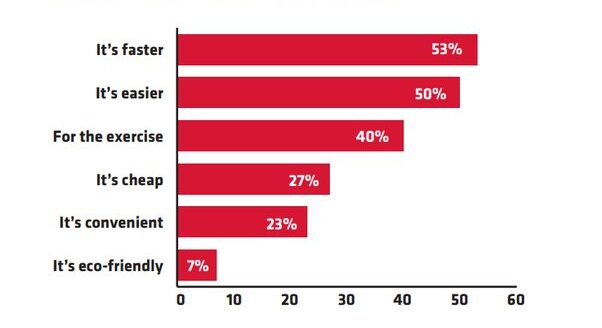
Active transportation—encompassing walking and cycling—offers a compelling solution for reducing our dependence on personal vehicles. By encouraging more people to walk or bike, we significantly diminish the need for car travel. This reduction in vehicle usage translates directly into lower fossil fuel consumption. Since vehicles powered by gasoline or diesel are major consumers of energy and primary contributors to greenhouse gas emissions, shifting to more sustainable modes of transportation can have a profound impact on our energy footprint.
Walking and cycling are inherently energy-efficient modes of transport. The energy expenditure associated with these activities is remarkably low compared to that of motor vehicles. For example, cycling consumes approximately 0.02 kWh of energy per kilometer traveled, whereas a typical car consumes about 0.4 kWh per kilometer. This stark contrast underscores the substantial energy savings associated with active transportation. Not only does this shift reduce our reliance on fossil fuels, but it also diminishes the overall energy demand, leading to a more sustainable and eco-friendly transportation system.
Energy conservation 2
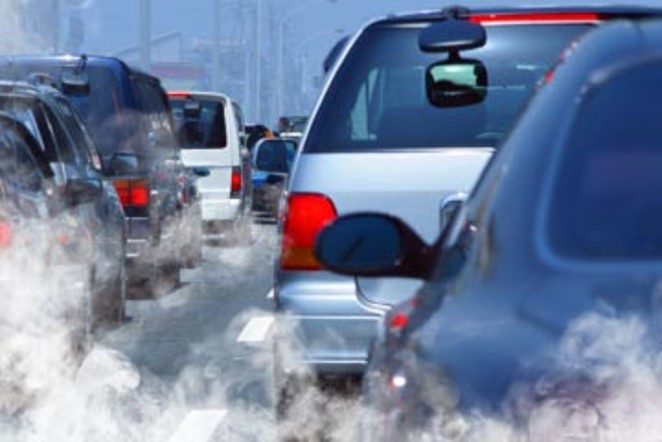
Additionally, active transportation plays a crucial role in alleviating traffic congestion. Reduced traffic congestion not only makes urban environments more pleasant to navigate but also contributes to energy conservation. When traffic is less congested, vehicles spend less time idling in traffic jams or at red lights. This decrease in idling translates to lower fuel consumption and improved vehicle efficiency. By minimizing the amount of time vehicles spend on the road, we further reduce energy use and cut down on emissions.
In essence, embracing active transportation can significantly reduce our reliance on fossil fuels, decrease energy consumption per passenger mile, and alleviate traffic congestion. By making walking and cycling more attractive and feasible options, we can collectively contribute to a more sustainable and energy-efficient future.